Get Dead Tree Removal in Denville, NJ
Dead Tree Removal services for Denville, NJ and nearby areas address hazardous or dead trees, storm-damaged branches, and large tree removals for safety and property preservation.
Dead tree removal services are often considered by property owners in Denville, NJ to address safety concerns and prevent potential damage. Dead or decaying trees can pose risks of falling branches or entire trees, especially during storms or high winds, which could threaten people, vehicles, or structures on the property. Removing these trees helps create a safer environment while reducing the likelihood of costly repairs or injuries. Additionally, eliminating dead trees can improve the overall health of surrounding plants and trees, promoting a more vibrant and resilient landscape.
Beyond safety, property owners seek dead tree removal to enhance curb appeal and maintain the long-term functionality of their outdoor spaces. Removing unsightly, decaying trees can significantly boost the visual attractiveness of a property, making it more inviting and well-kept. It also helps prevent issues like pest infestations or disease spread to nearby healthy trees, contributing to a more durable and low-maintenance landscape. Engaging professional services ensures the work is performed efficiently and effectively, supporting the property's overall comfort and aesthetic value.
- Hazardous tree removal - needed when a damaged or diseased tree poses a risk to nearby structures or people.
- Storm-damaged tree removal - required after severe weather events cause trees to fall or become unstable.
- Overgrown tree clearing - necessary when trees obstruct pathways, driveways, or reduce sunlight in residential areas.
- Dead tree removal - performed to eliminate trees that have died and may threaten surrounding property.
- Urban tree removal - sought in city or town settings to manage tree growth and prevent interference with infrastructure.
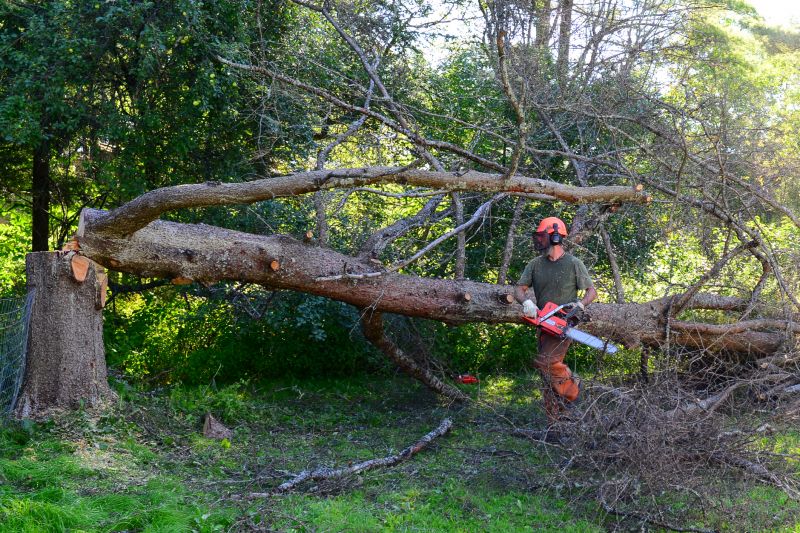
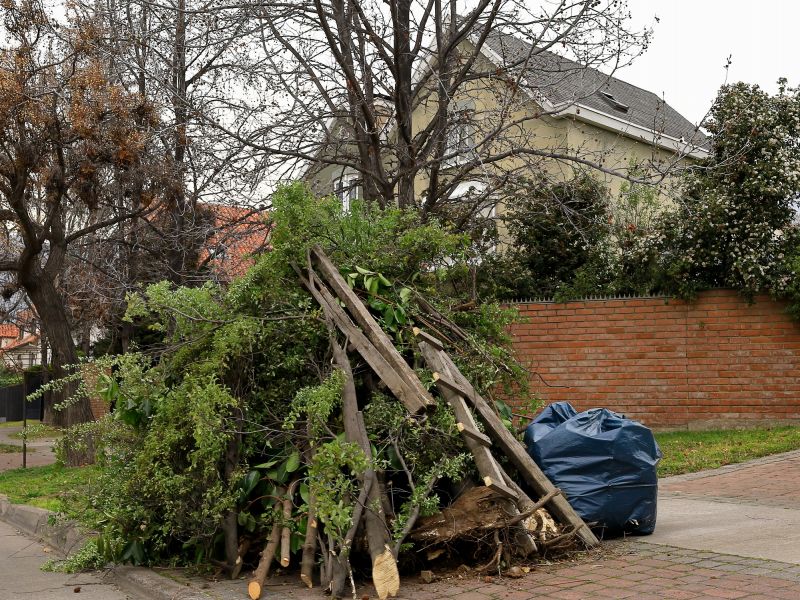
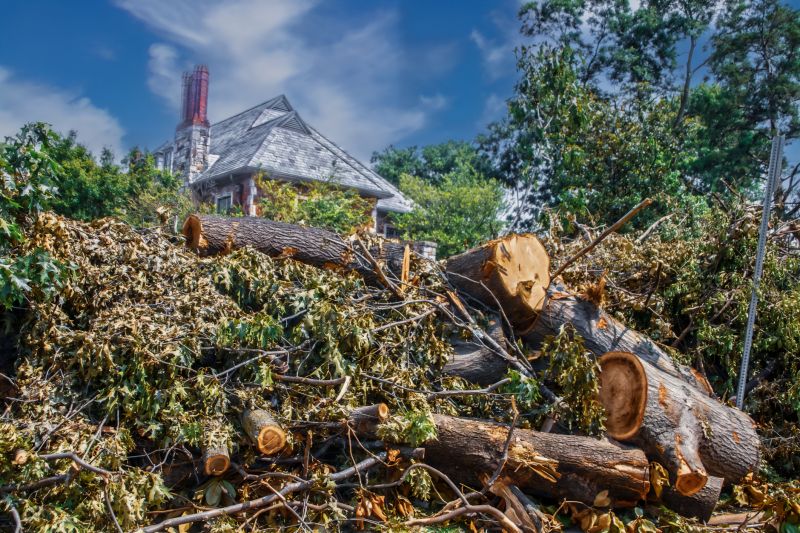
Dead tree removal services involve the careful and efficient removal of dead, dying, or hazardous trees from a property. These services typically include assessing the condition of trees, safely cutting them down, and removing the debris from the site. Professionals often utilize specialized equipment to ensure that the removal process is conducted safely and minimizes damage to surrounding landscaping or structures. Proper disposal or recycling of the removed trees is also part of the service, helping property owners maintain a clean and safe environment.
One of the primary reasons property owners seek dead tree removal is to eliminate safety hazards. Dead or decaying trees can pose significant risks, such as falling branches or the entire tree collapsing, especially during storms or high winds. Removing these trees can prevent property damage, injury, or even liability issues. Additionally, dead trees can be unsightly and detract from the overall appearance of a property. Removing them can enhance curb appeal and create a healthier landscape by preventing the spread of disease to nearby healthy trees.
Dead tree removal services are frequently utilized on residential properties, commercial sites, and public spaces. Residential homeowners may request these services to improve safety and aesthetics around their homes. Commercial property managers often seek professional removal to maintain a safe environment for employees, customers, and visitors. Public parks, school grounds, and municipal areas also benefit from dead tree removal to ensure safety and uphold community standards. Regardless of property type, the goal is to manage tree health risks and preserve the safety and visual appeal of the area.
Professional tree removal providers typically have experience working on a variety of property types and sizes. They are equipped to handle the complexities of removing large or hard-to-access trees, often working around existing structures or landscaping features. For properties with limited space or sensitive surroundings, specialized techniques may be employed to reduce impact. Whether on a small residential lot or a large commercial estate, local pros can assess the specific needs of each site and recommend appropriate removal strategies to ensure safety and efficiency.
The overview below groups typical Dead Tree Removal projects into broad ranges so you can see how smaller, mid-sized, and larger jobs often compare in Denville, NJ.
In many markets, a large share of routine jobs stays in the lower and middle ranges, while only a smaller percentage of projects moves into the highest bands when the work is more complex or site conditions are harder than average.
Cost of Dead Tree Removal - The typical cost for removing a dead tree varies widely based on size and location, generally ranging from $200 to $1,200. Smaller trees under 30 feet tend to be on the lower end, while larger, more complex removals can be significantly higher. Local pros can provide estimates based on specific tree conditions.
Factors Affecting Pricing - Tree removal costs depend on factors such as tree height, diameter, and accessibility, with prices increasing for larger or hard-to-reach trees. For example, a 15-foot dead tree might cost around $200-$400, while a 50-foot tree could range from $800 to over $1,200. Additional services like stump grinding may add to the overall expense.
Regional Cost Variations - Costs can fluctuate based on regional differences, with prices in Denville, NJ, typically aligning with nearby areas. In some regions, extra charges may apply for permits or special equipment needed for difficult removals. Local service providers can offer tailored quotes considering these regional factors.
Average Cost Range - Overall, dead tree removal services often fall within a range of $200 to $1,500 depending on the tree's size and complexity. Smaller, straightforward removals are usually less expensive, while larger or more hazardous trees may cost more. Contact local pros for precise estimates based on specific tree conditions.
Actual totals will depend on details like access to the work area, the scope of the project, and the materials selected, so use these as general starting points rather than exact figures.
Dead Tree Removal services involve the safe and efficient removal of hazardous or unwanted dead trees from residential or commercial properties. Local pros can assess the tree's condition and perform removal to prevent potential damage or safety issues.
Hazard Tree Removal focuses on identifying and removing dead or dying trees that pose a risk of falling or causing injury. Professionals ensure proper removal to maintain property safety and landscape aesthetics.
Storm Damage Tree Cleanup includes removing fallen or damaged dead trees after severe weather events. Service providers work to clear debris and prevent further damage to the property.
Tree Trimming and Pruning services often include removing dead branches or sections of dead trees to promote healthy growth or prepare for removal. Local experts can safely prune trees to reduce hazards.
Land Clearing and Site Preparation may involve removing dead trees to prepare land for construction or landscaping projects. Contractors can efficiently clear dead vegetation to facilitate development.
Emergency Tree Removal services address urgent situations involving dead trees that threaten safety or property. Service providers respond promptly to mitigate risks and restore safety.
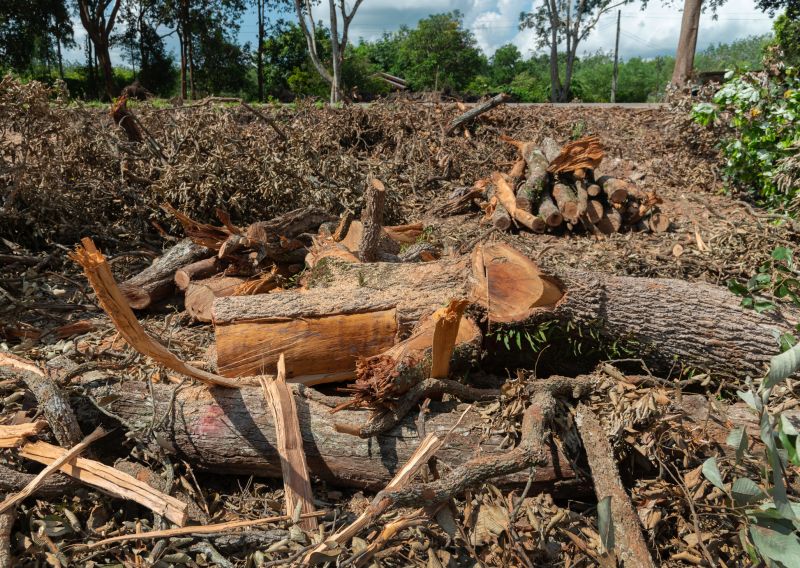
When selecting a provider for dead tree removal, it is important to consider the experience of the local professionals. Established contractors often have a history of handling similar projects, which can contribute to more predictable and efficient results. Homeowners should inquire about the number of years a service provider has been operating in the area and their familiarity with local tree species and conditions. This background can help ensure that the chosen expert understands the specific challenges associated with dead tree removal in the region.
Clear communication and clearly written expectations are vital when working with local pros. Homeowners should seek providers who offer detailed descriptions of their services, including the scope of work and any necessary preparations or follow-up. Transparent communication helps prevent misunderstandings and ensures that both parties are aligned on the project’s requirements. Additionally, understanding how the contractor plans to handle potential complications can contribute to a smoother process.
Reputable references and reviews are key indicators of a trustworthy dead tree removal service. Homeowners are encouraged to ask for references or seek out reviews from previous clients in the area. Hearing about others’ experiences can provide insight into the contractor’s professionalism, reliability, and quality of work. Effective communication and a solid reputation are essential factors when comparing local options, helping homeowners make informed decisions when selecting a service provider for dead tree removal.
Property owners in Denville, NJ use Dead Tree Removal services for practical projects around their homes and businesses. The sections below highlight everyday jobs and straightforward project options.
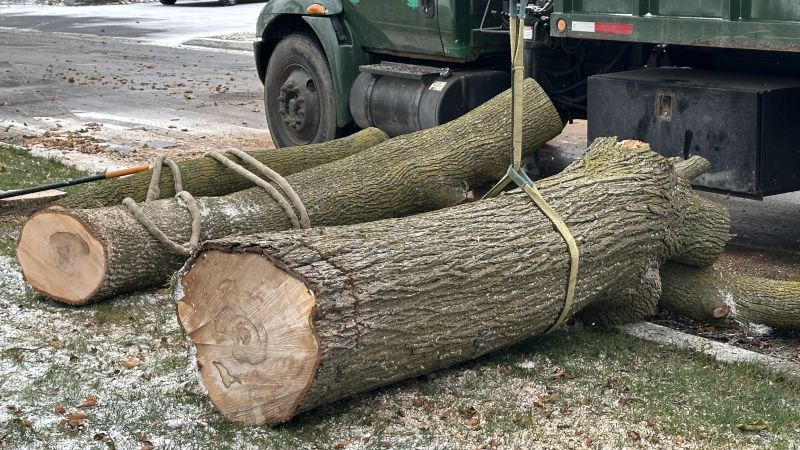
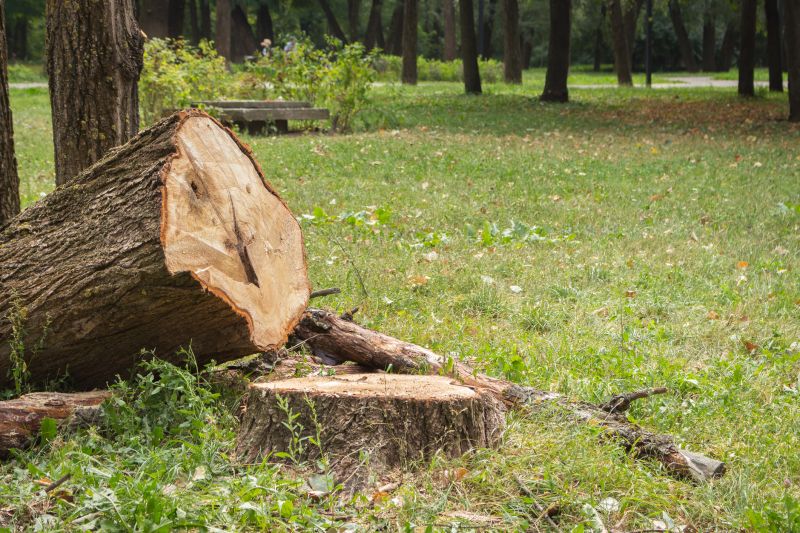
Dead tree removal services are commonly sought by property owners in Denville, NJ, who need to address trees that have become hazardous or unsightly. Fallen or damaged trees can pose safety risks to people and nearby structures, prompting residents to seek professional assistance to safely remove these trees. Additionally, property owners may request tree removal to clear space for new landscaping projects or to improve the overall appearance of their yards.
In some cases, trees may need to be removed due to disease, pest infestation, or structural instability, which can threaten the health of surrounding vegetation. Denville residents often turn to local tree removal specialists to handle these situations efficiently, ensuring that the work is done safely and in accordance with local regulations. Whether for safety concerns or aesthetic improvements, professional tree removal services provide solutions tailored to the needs of property owners in the area.
Why might someone need dead tree removal services? Dead or decaying trees can pose safety hazards, obstruct views, or affect the health of nearby plants, prompting the need for professional removal services.
How do professionals typically remove dead trees? Experts usually use specialized equipment and techniques to safely cut and remove dead trees, minimizing impact on the surrounding area.
Are there any permits required for dead tree removal? Permit requirements vary by location; it’s advisable to check with local authorities or consult with a professional service provider about regulations in Denville, NJ and nearby areas.
What factors influence the cost of dead tree removal? The size, location, and accessibility of the tree are common factors that can affect the overall cost of removal services.
How can I find local pros for dead tree removal? Contacting reputable tree removal service providers in your area can connect you with experienced professionals ready to assist with dead tree removal needs.
Dead Tree Removal Services - Local contractors provide professional dead tree removal to enhance property safety and appearance.
Emergency Dead Tree Removal - Pros offer urgent removal services for fallen or hazardous dead trees that pose immediate risks.
Stump Grinding and Removal - Experts can efficiently grind and remove remaining stumps after dead tree removal to prevent regrowth.
Dead Tree Evaluation - Service providers assess the health and stability of dead trees to determine the appropriate removal approach.
Considering Dead Tree Removal for a property in Denville, NJ? The sections above highlight common project types, practical options, and details that often shape the scope of work.
When you are ready, use the quote form to share a few details about your project. Local pros can review the basics and respond with options that match what you have in mind.